How to Reduce Customs Delays with Bonded Storage
Need bonded storage? Speak with our warehouse team.
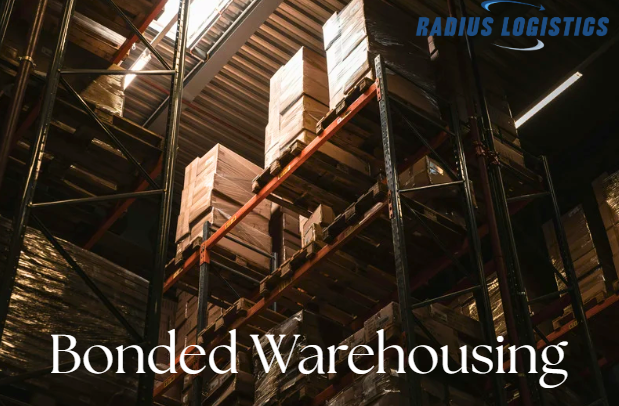
Bonded Warehousing
What Is a Bonded Warehouse?
A bonded warehouse is a secure, government-authorized facility where imported goods can be stored without paying duties or tariffs until they are officially entered into the U.S. market. In short, it gives your business more control over when and how you pay import fees—a huge advantage when tariffs are fluctuating.
How to Reduce Customs Delays with Bonded Storage
International shipping is complex, and customs delays are one of the most common and costly challenges importers face. Whether delays are caused by documentation issues, duty payments, inspections, or timing constraints, they can disrupt supply chains, increase storage fees, and impact customer satisfaction.
One of the most effective ways to reduce customs delays and maintain control over your cargo is through bonded storage. At Radius Logistics, we help businesses use bonded warehousing strategically to keep shipments moving efficiently while staying compliant with U.S. Customs and Border Protection (CBP) regulations.
One of the most effective ways to reduce customs delays and maintain control over your cargo is through bonded storage. At Radius Logistics, we help businesses use bonded warehousing strategically to keep shipments moving efficiently while staying compliant with U.S. Customs and Border Protection (CBP) regulations.
What Is Bonded Storage?
A bonded warehouse is a secure, CBP-authorized facility where imported goods can be stored without immediately paying customs duties or taxes. Goods can remain in bonded storage for up to five years, giving importers flexibility while customs clearance, inspections, or final distribution plans are completed.
Bonded storage is especially valuable for businesses managing international freight, bulk imports, regulated goods, or time-sensitive inventory.
Common Causes of Customs Delays
Before understanding how bonded storage helps, it’s important to recognize why customs delays happen in the first place:
Incomplete or incorrect import documentation
Delayed duty or tax payments
Customs inspections or cargo exams
Regulatory compliance issues
Shipment arriving before final clearance approval
These delays can quickly lead to congestion at ports, unexpected demurrage charges, and lost time.
How Bonded Storage Helps Reduce Customs Delays
1. Allows Time to Resolve Documentation Issues
Bonded storage gives importers a secure location to hold cargo while resolving paperwork errors, classification questions, or missing documents — without incurring immediate duty costs or port storage penalties.
2. Delays Duty Payments Until Goods Are Released
With bonded warehousing, duties and taxes are not paid until goods officially enter U.S. commerce. This improves cash flow and prevents clearance delays caused by payment processing issues.
3. Reduces Port Congestion and Demurrage Fees
Moving cargo from the port directly into a bonded warehouse minimizes the risk of demurrage and detention fees. Your shipment stays protected while customs matters are addressed offsite.
4. Supports Partial Releases and Inventory Control
Bonded warehouses allow for partial withdrawals, meaning you can release only the goods you need while the remaining inventory stays bonded. This flexibility helps businesses respond to demand without rushing full clearance.
5. Ensures Compliance with Customs Regulations
Working with an experienced logistics provider like Radius Logistics ensures bonded storage operations meet all CBP requirements, reducing the risk of compliance-related delays or penalties.
Who Benefits Most from Bonded Storage?
Bonded storage is ideal for:
Importers of high-value or bulk goods
Businesses managing international supply chains
Companies facing frequent customs inspections
Importers awaiting regulatory approvals
Businesses seeking duty deferral and cost control
If customs delays are impacting your operations, bonded warehousing can be a critical part of your logistics strategy.
Why Choose Radius Logistics for Bonded Storage?
At Radius Logistics, we offer secure bonded warehousing solutions designed to keep your shipments moving while reducing risk, delays, and unnecessary costs. Our team understands international shipping regulations and works closely with customs authorities to ensure smooth clearance and efficient cargo handling.
We don’t just store your freight — we help you strategically manage it.
With recent trade headlines about a 90-day temporary truce between the U.S. and China and ongoing policy shifts under the Trump campaign’s renewed focus on American-made goods, the pressure on importers and exporters is rising. Many businesses are looking for strategies to delay tariff payments or reassess whether to bring goods into the country at all.
That’s where bonded warehousing becomes a powerful tool.
Key Benefits of Bonded Warehousing
Tariff Flexibility
Store goods duty-free until you decide whether to sell them in the U.S. or re-export to another country.Cash Flow Management
Delay tariff payments and free up working capital for other parts of your business.Secure, Compliant Storage
Radius Logistics’ bonded warehouse is secure, climate-controlled, and meets all customs requirements.Scalability
Whether you're a growing e-commerce brand or a multinational importer, bonded storage can scale with your inventory.
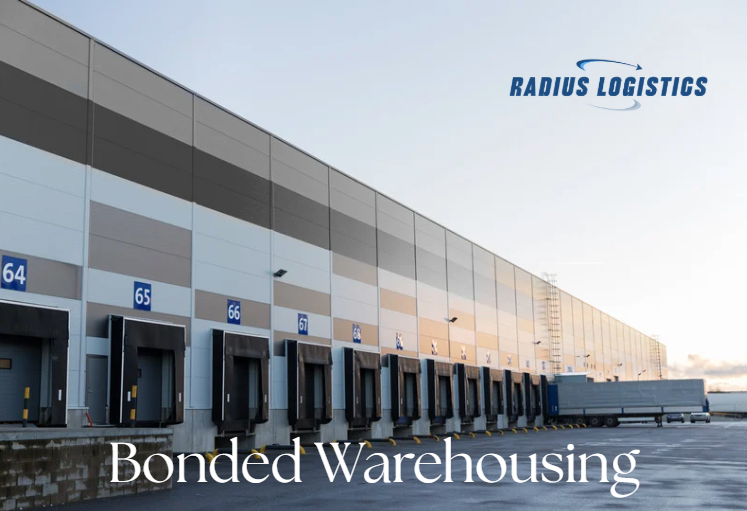
Plan Ahead with Radius Logistics
Don’t let shifting tariffs and policy headlines put your business on hold. Reach out to Radius Logistics today to learn how our bonded warehouse can strengthen your supply chain and help you adapt quickly to economic and political changes.
📦 Ready to get started? Contact us to learn more about bonded storage and freight solutions.
